
 English
 Español
 عربى
عربىContent
- 1 What Is Window Condensation?
- 2 What Causes Condensation on the Inside of Windows?
- 3 What Causes Condensation on the Outside of Windows?
- 4 What Causes Condensation Between Window Panes?
- 5 How to Reduce and Prevent Window Condensation
- 6 Controlling Condensation in Industrial and Commercial Buildings
- 7 When Should You Take Action?
Condensation on windows is one of those small problems that shows up without warning. One cold morning you wipe the glass, and by the evening the droplets are back. As a manufacturer of roof ventilation and daylighting systems, we hear this complaint constantly from homeowners and facility managers alike. The honest answer is that window condensation is rarely a defect in the glass. It is physics: warm, humid air meeting a cold surface. Understanding what causes condensation on the windows is the first step toward keeping your building dry, comfortable, and safe.
What Is Window Condensation?
Condensation happens when water vapor in the air changes back into liquid water. The air around us always contains moisture, but warm air can hold more of it than cold air. When warm, humid air comes into contact with a surface that is colder than the dew point, the air near that surface cools down, reaches saturation, and releases its excess moisture as droplets.
Windows are the most common place for this to happen because glass is usually the coldest surface in a room. Walls have insulation, and framing has air cavities, but a window pane sits directly between indoor and outdoor temperatures. When the outdoor temperature drops, the glass drops with it, and the invisible moisture in your indoor air becomes visible on the pane.
We can group window condensation into three locations, and each one has a different cause:
| Location | Typical timing | Main cause |
|---|---|---|
| Inside the glass | Cold winter mornings | High indoor humidity meeting cold glass |
| Outside the glass | Summer mornings | Humid outdoor air meeting cool glass, often a sign of good insulation |
| Between the panes | Any time; will not wipe away | Failed edge seal in an insulated glass unit |
What Causes Condensation on the Inside of Windows?
Interior condensation is what most people mean when they search for what causes condensation on the windows. It happens when indoor air is more humid than the window can cope with and the glass temperature is low enough to cross the dew point. The biggest driver is indoor humidity.
Everyday activities release surprising amounts of moisture into the air:
- Cooking and boiling water, especially without a range hood
- Showering and bathing without adequate exhaust
- Drying clothes indoors on racks or radiators
- Running humidifiers too high during winter
- Keeping many plants or people in a tightly sealed room
New construction and recent renovations add another hidden moisture load. Concrete, plaster, paint, and timber all release water as they cure, sometimes for a full year. That is why a newly built house often shows condensation during its first winter even when the occupants are doing nothing unusual.
Why cold glass makes condensation worse
The colder the glass, the less humidity it takes before condensation forms. A single-glazed pane that sits near freezing will start condensing moisture at a much lower indoor humidity than a well-insulated double-glazed unit. The humidity level that feels comfortable to people, around 40 to 50 percent, may be perfectly fine on a mild day but can trigger constant condensation when outdoor temperatures plunge.
What Causes Condensation on the Outside of Windows?
Exterior condensation surprises many people because it looks completely backwards. The outside of the glass is wet, yet there is no rain. In most cases, exterior condensation is harmless, and it can actually be a compliment to your windows.
It forms when the glass surface is cooler than the surrounding outdoor air and the outdoor air is humid enough to reach its dew point. This is common on summer mornings after a warm, humid night, especially when air conditioning keeps the interior, and therefore the glass, cool. As the sun rises and warms the glass, the droplets evaporate.
Unlike interior condensation, exterior moisture does not point to a humidity problem inside the building. It means the window is doing a good job of blocking heat transfer from outside to inside.
What Causes Condensation Between Window Panes?
When you see fog or droplets inside the cavity of an insulated glass unit, the cause is different again. Sealed double-glazed windows are manufactured with a dry air space between the panes. The edge seal keeps moisture out, and a desiccant inside the spacer absorbs any remaining residue. Over time, however, seals can degrade through age, thermal stress, or minor manufacturing defects. Once the seal is compromised, moist air enters the cavity and condensation appears between the panes.
Condensation between panes is the one type that cannot be wiped away, and it rarely clears on its own. It is also a sign that the insulating performance of the window has fallen significantly. In most cases, the glazing unit will need to be replaced to restore clarity and thermal performance.
How to Reduce and Prevent Window Condensation
The cure for most interior condensation is straightforward: reduce moisture production and improve air movement. The right combination depends on your building and lifestyle.
- Ventilate high-moisture areas. Run exhaust fans in kitchens and bathrooms for 15 to 20 minutes after cooking and showering.
- Use a dehumidifier. Keep indoor relative humidity between 30 and 50 percent during cold months.
- Circulate the air. Ceiling fans or portable fans keep air moving, which reduces cold spots around windows.
- Wipe condensation promptly. Removing water quickly prevents it from soaking into frames and sills.
- Open interior doors. Closed rooms trap humidity and create localized condensation.
- Check appliances. Make sure clothes dryers vent to the outside and gas appliances are properly exhausted.
Exterior condensation rarely needs a fix. If you want to reduce it, trim shrubs and plants that restrict airflow around the windows, and in summer raise the air-conditioning set point by a degree or two so the glass stays closer to the outdoor dew point.
Controlling Condensation in Industrial and Commercial Buildings
The same physics applies at a much larger scale in factories, warehouses, and workshops. Production processes, washing areas, and even the breath and perspiration of a large workforce generate enormous volumes of moisture. When warm, humid air rises toward a cool steel roof or a skylight panel, condensation forms, drips onto equipment and inventory, and promotes corrosion and mold growth.
In steel-structure buildings, persistent condensation is more than an annoyance. It attacks the roof deck, degrades insulation, creates slippery floors, and can compromise the long-term safety of the structure. Ventilation is the most reliable remedy, which is why roof ventilators and natural ventilation skylights are essential components of a well-designed industrial roof system.
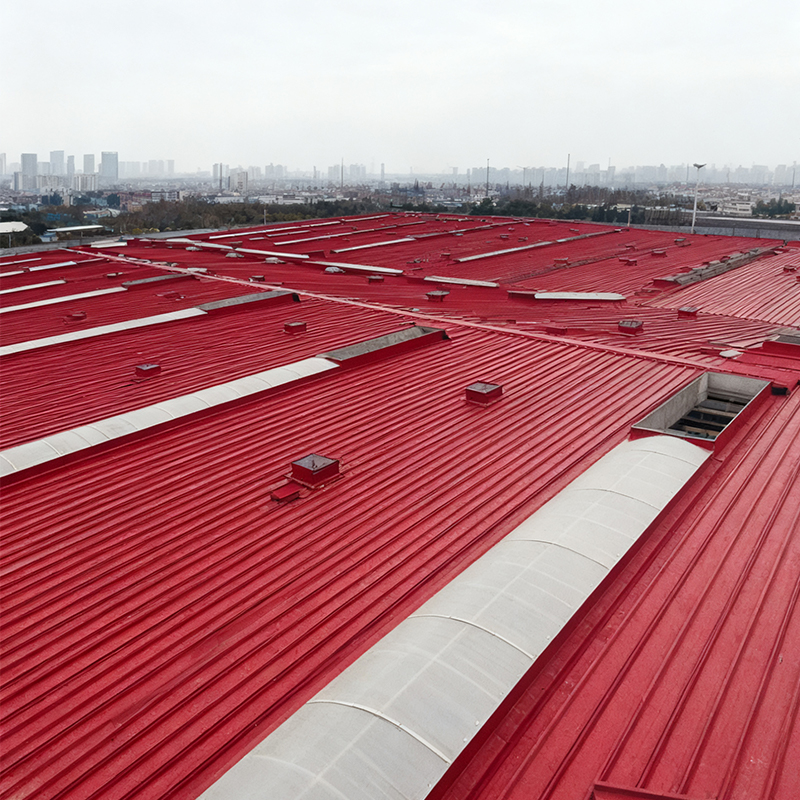
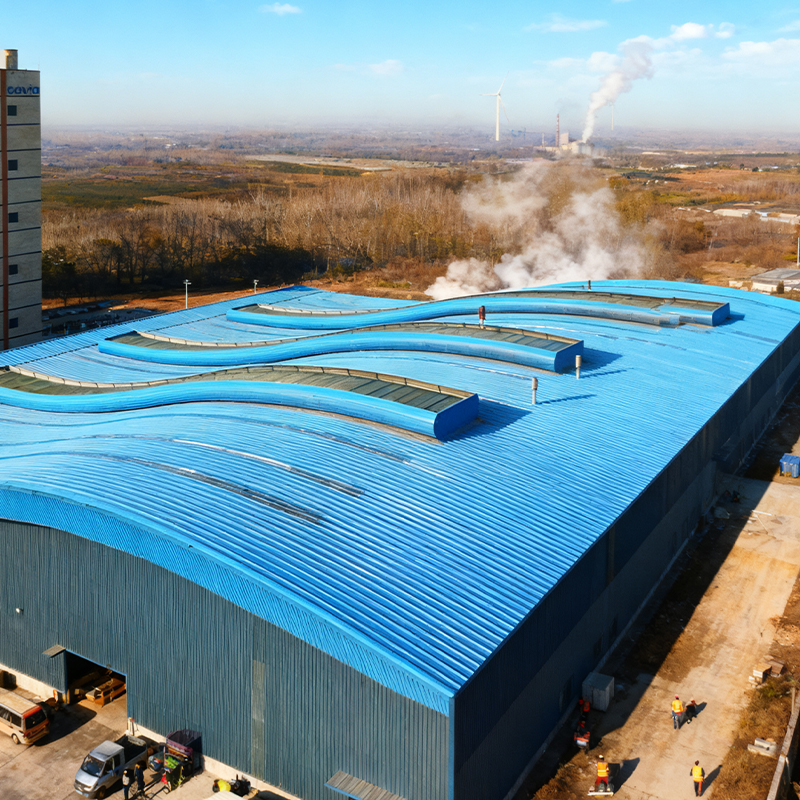 Streamlined Roof Ventilator for Natural Ridge VentilationThis roof ventilator uses natural buoyancy and wind pressure to expel warm, humid air at the ridge, helping steel buildings control condensation. Its durable molded structure offers steady airflow and low maintenance.View Product →
For facilities that need continuous air exchange without ongoing energy costs, our streamlined roof ventilator uses natural buoyancy and wind pressure to draw warm, moisture-laden air out at the ridge. By continuously replacing humid indoor air with fresher outdoor air, it keeps indoor humidity well below the condensation point.
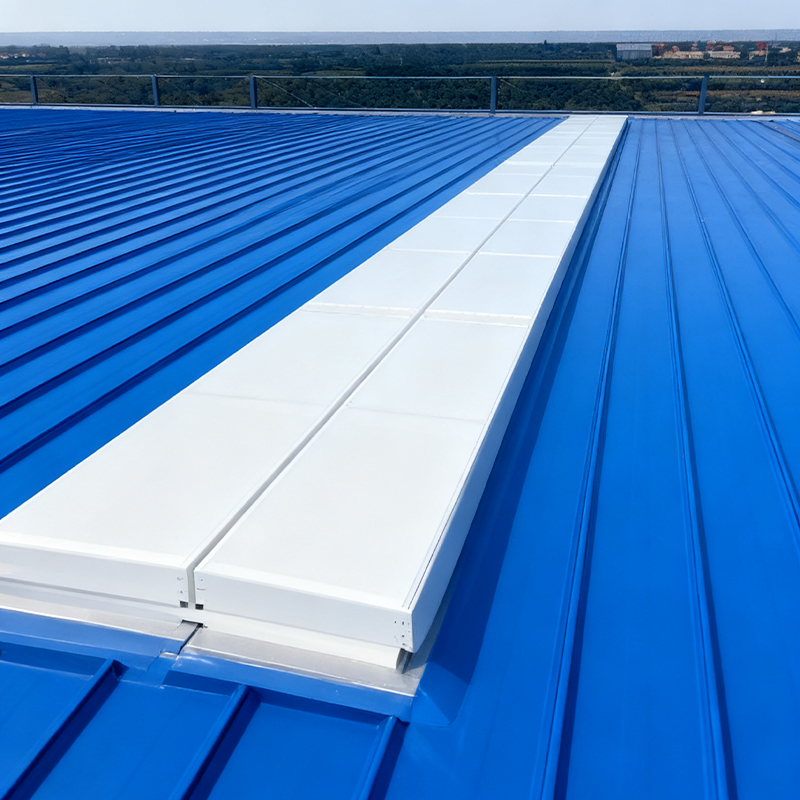
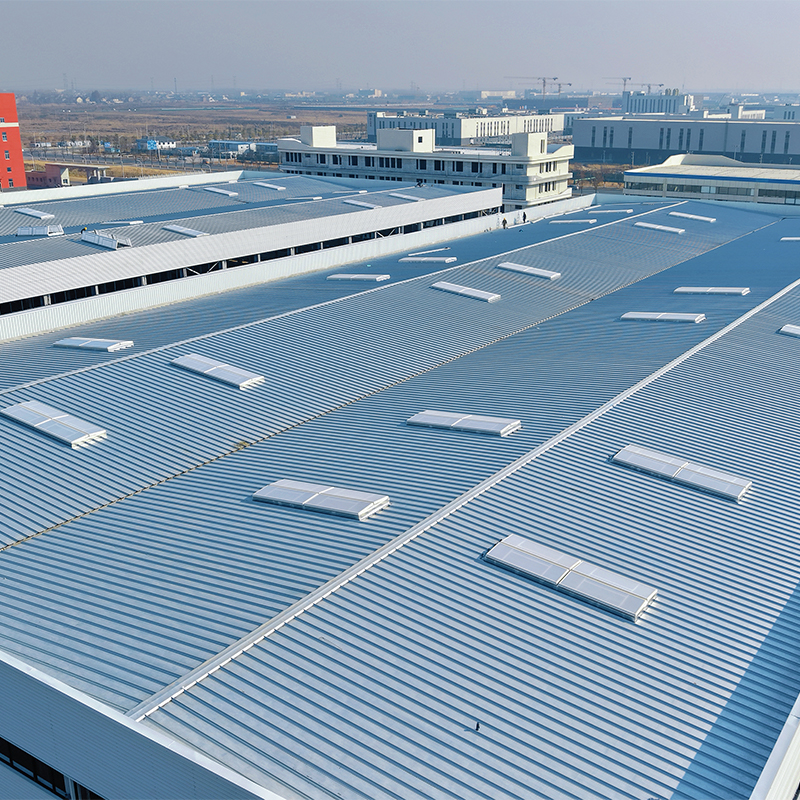
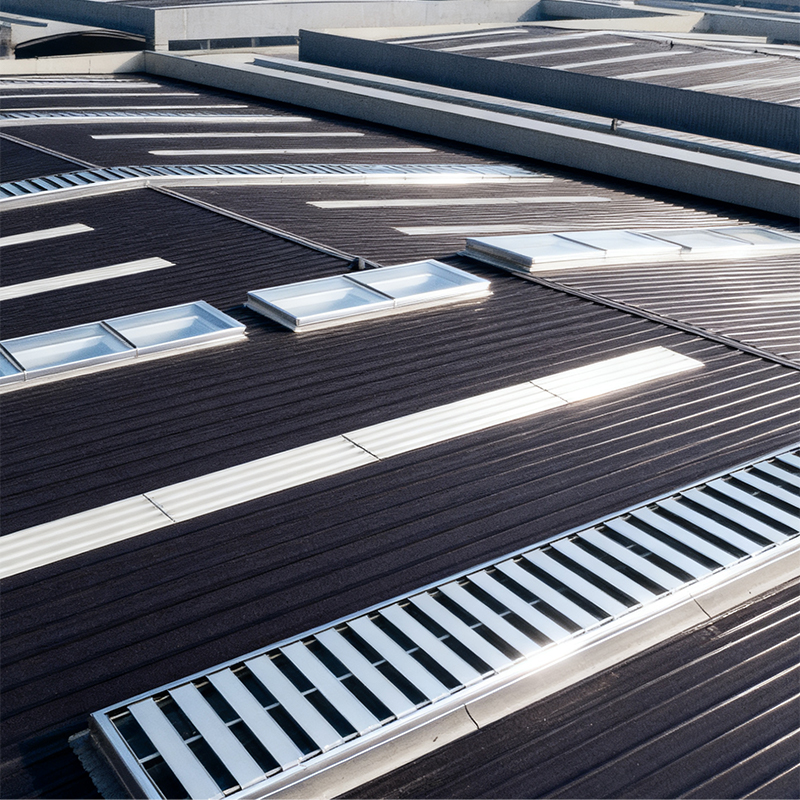 Modular Matrix Low-Profile Roof VentilatorA low-profile ventilator formed from standardized units, ideal for retrofitting steel roofs with limited headroom or wind load concerns. It balances ventilation, daylighting, and rain protection while integrating neatly with modern roof designs.View Product →
For buildings with low roof profiles, the modular matrix low-profile roof ventilator delivers the same natural ventilation effect in a discreet form. It is well suited to retrofitting existing steel roofs where headroom, aesthetics, or wind loads make taller ventilators impractical.
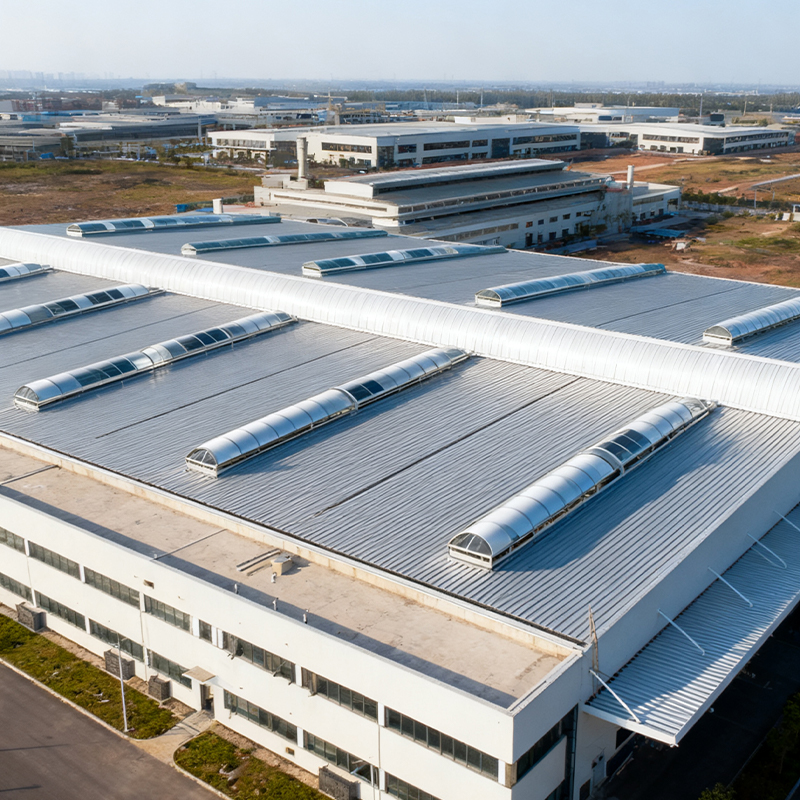
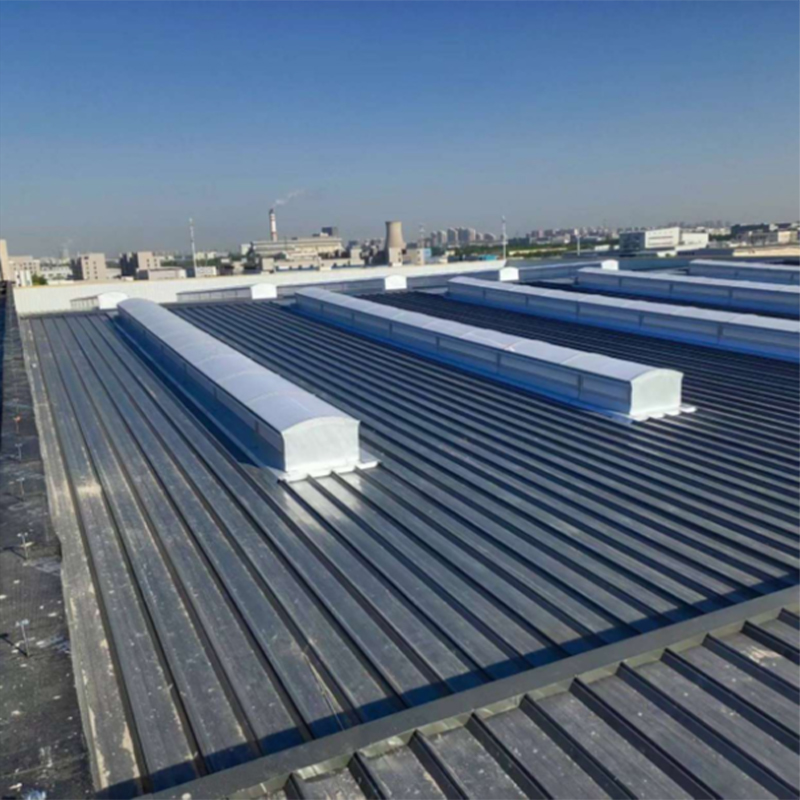 Arched Daylighting Skylight with Optional Opening SectionsAn arched skylight with high transmittance that brings even natural light into industrial spaces. When fitted with opening sections, it also releases moist air, combining daylighting with ventilation to reduce condensation and lighting costs.View Product →
Daylighting and ventilation can also work together. Our arched daylighting skylight can be fitted with opening sections that release moist air while letting natural light in. This dual function reduces condensation risk and cuts daytime lighting costs at the same time.
To understand how the layout and shape of roof ventilators influence indoor moisture control, read our note on natural ventilation skylight design for hot-climate industrial workshops.
When Should You Take Action?
Most window condensation is manageable, but persistent condensation deserves serious attention. Watch for these warning signs:
- Black mold or mildew on window frames, seals, or surrounding walls
- Water staining and softening, rotting window frames
- Fogging between panes that never clears
- Constant puddles on sills or floors even after wiping
If you notice these signs, the window or glazing may need to be upgraded, or the building may simply lack enough ventilation. In many cases, improving airflow solves the problem more effectively than replacing windows. For new construction, planning the roof system correctly from the start, with the right combination of daylighting panels, ventilators, and skylights, prevents condensation issues before they begin.
Window condensation is not a mystery once you understand the logic. Moisture in the air meets a cold surface, and water appears. With sensible humidity control, good airflow, and the right building envelope, you can keep windows clear and buildings healthy. If you are designing a new steel-structure building or fighting condensation in an existing facility, explore our roof ventilation and daylighting solutions or contact our team for a custom recommendation.
 Previous
 +86-0517-83520505
 No. 2 Xingfu Road, Sanshu Town, Huaiyin District, Huai'an City, Jiangsu Province, China